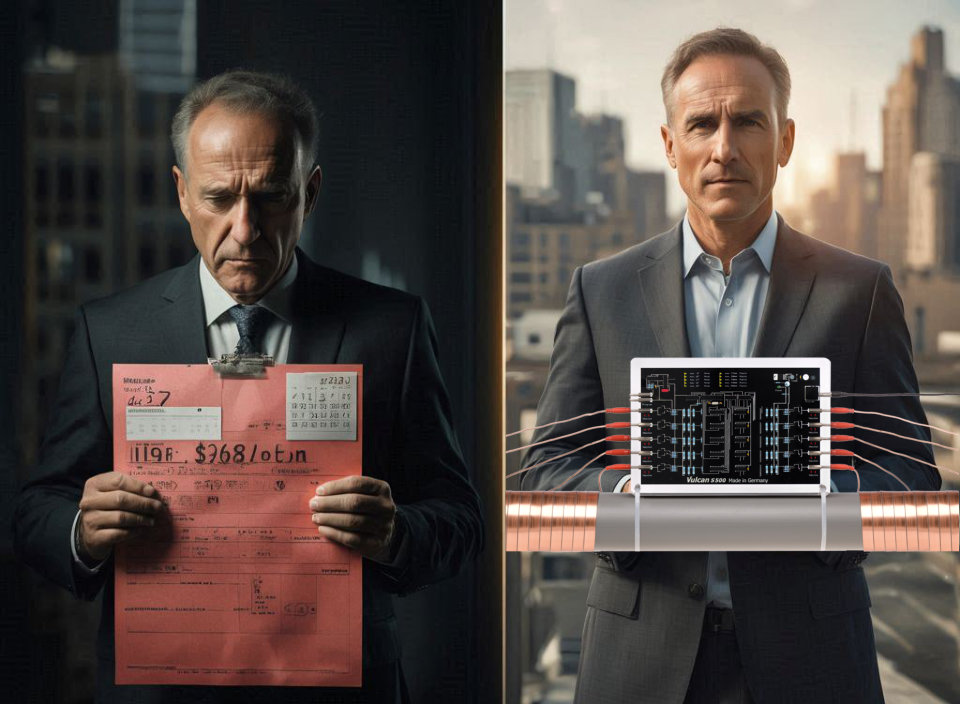
The first LL97 penalty cycle is here. While some rush to buy credits, forward-thinking owners are fixing the efficiency leaks causing the fines. Here’s how Vulcan scale prevention provides a permanent, capital-preserving solution.
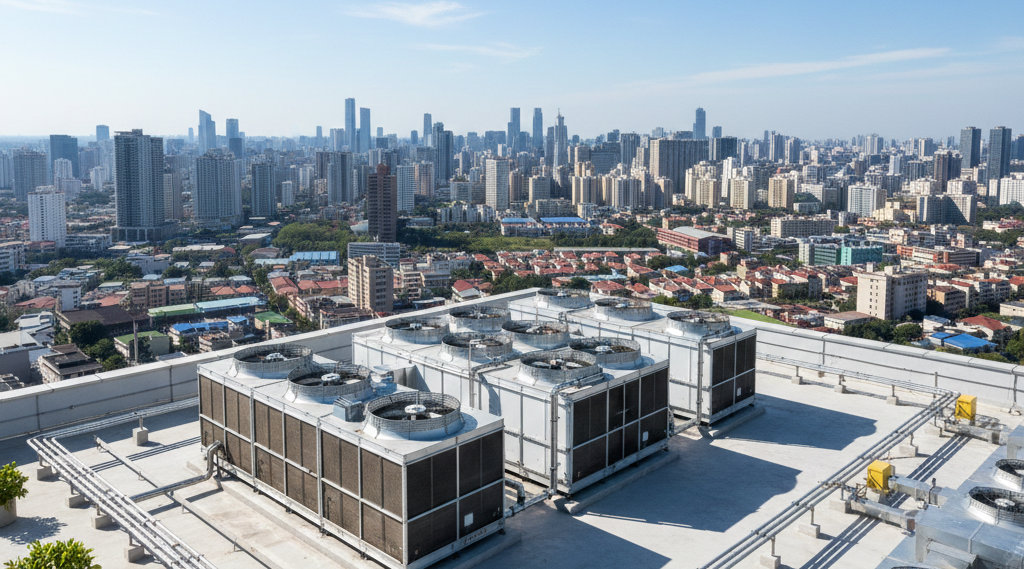
Cooling towers are among the largest energy consumers in commercial buildings. They're also among the most vulnerable to scale. Here is how scale prevention protects efficiency, extends equipment life, and supports LL97 compliance.

Local Law 87 requires buildings over 50,000 square feet to conduct an energy audit and retro-commissioning every ten years. With the March 31, 2026 deadline approaching, here is exactly what auditors measure and how to prepare.
Large emission sources (>25,000 MT CO2e/year) must submit a written greenhouse gas monitoring plan to NYSDEC by December 31, 2026. The plan must include methods for quality assurance, maintenance, and repair of all measuring devices. Your heat exchanger is a measuring device.
Building owners who filed Decarbonization Plans in 2025 believe they are protected until 2030. But the DOB is now auditing "Good Faith" claims. They want to know: what did you do to maintain the equipment you're still using?
The new Davis Center at Harlem Meer is tucked into the landscape with the park extended over the roof for thermal mass and passive cooling. But what happens when mechanical systems are buried and hard to access? Scale prevention becomes essential.

The South Battery Park City Resiliency Project protects Lower Manhattan from sea level rise. It features a zero-carbon pavilion, stormwater capture, and ecological zones. But every system that moves water needs protection from mineral scale.
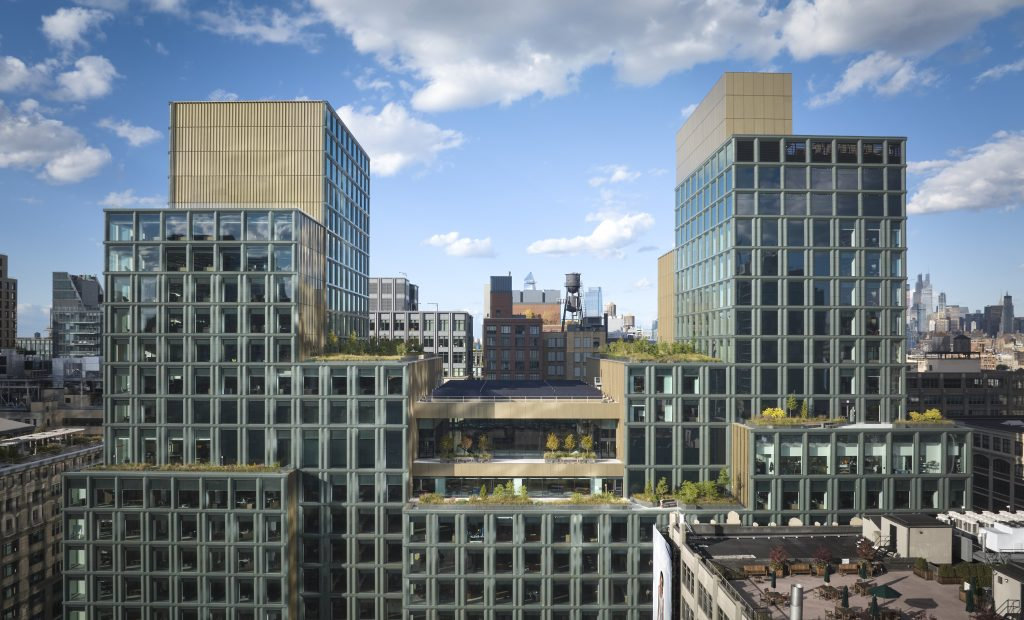
The Robert A. Iger Building (Disney NYC HQ) is all-electric, LEED Platinum, and occupies a full city block. But "all-electric" doesn't mean "scale-proof." Here is how even the greenest buildings need heat exchanger protection.
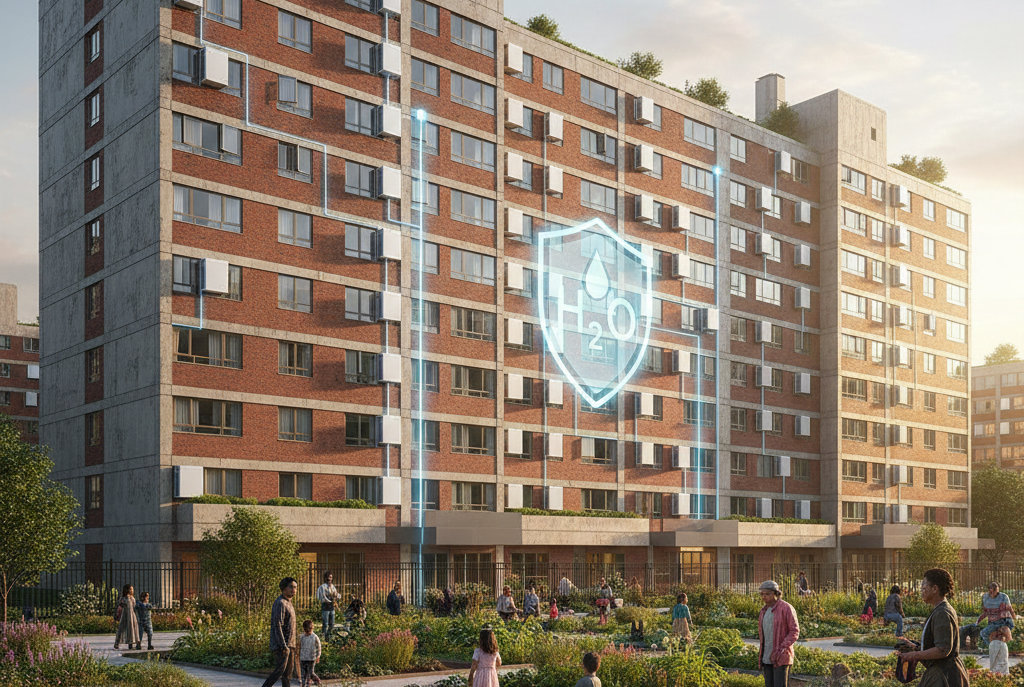
Gradient and Midea won the Clean Heat for All Challenge to produce 30,000 window heat pumps for NYCHA. Here is how scale prevention can help ensure this historic investment delivers for decades.
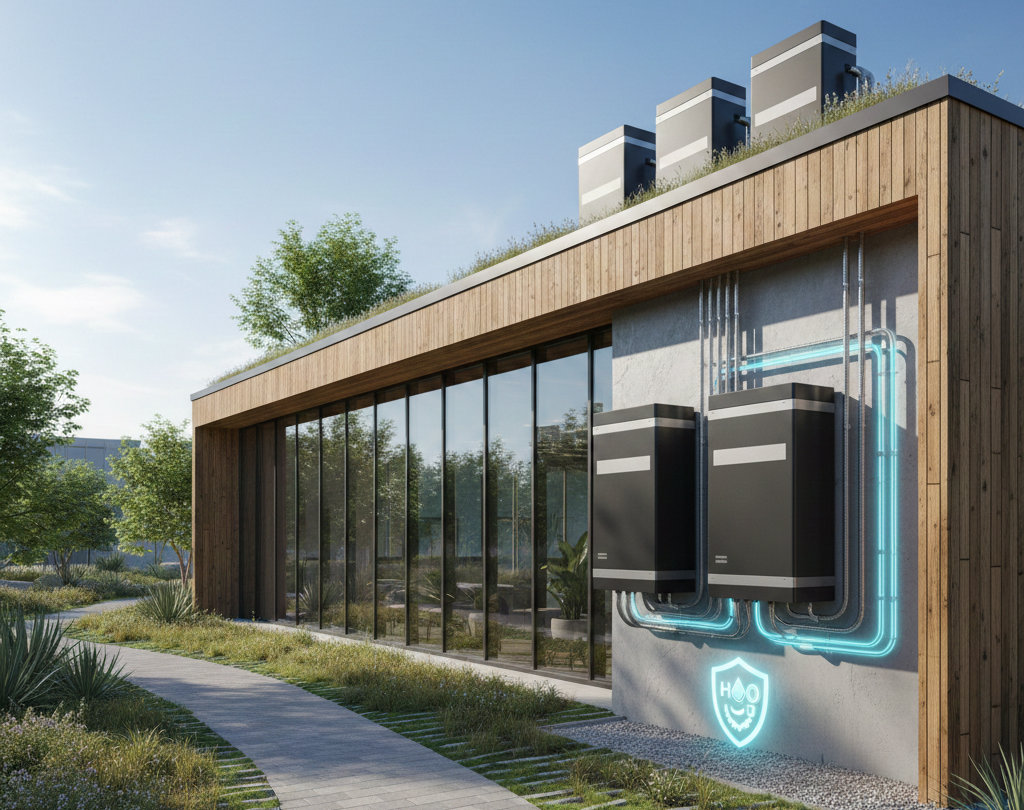
Con Edison has $2.1 billion authorized for energy efficiency and building electrification through 2030. Heat pumps are a major focus—but their long-term efficiency depends on one critical factor: clean heat transfer surfaces.
Page 1 of 3
The Vulcan mineral descaling hard water softening technology has been installed with success across the world: